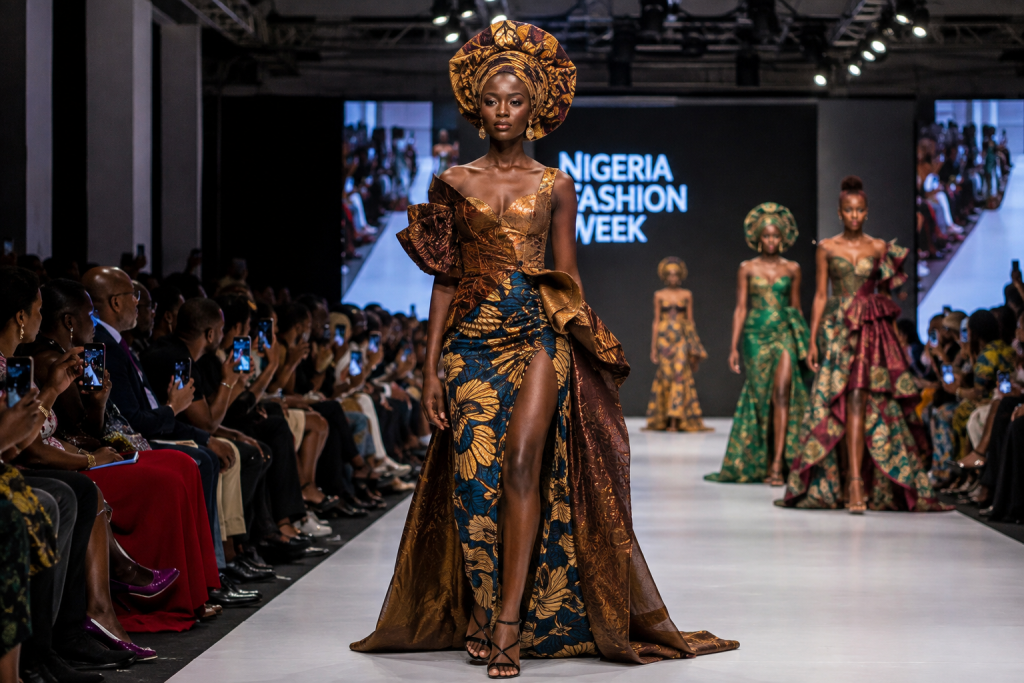
LAGOS, Nigeria — Nigeria's fashion industry is enjoying unprecedented global recognition as local designers continue to captivate international audiences with bold creativity, cultural authenticity, and innovative craftsmanship. Industry experts say the increasing demand for African-inspired fashion is positioning Nigeria as one of the continent's leading creative powerhouses.
Over the past few years, Nigerian fashion brands have showcased their collections at major fashion events across Europe, North America, Asia, and the Middle East, earning praise for seamlessly blending traditional African textiles with contemporary designs. Their creations have become favorites among celebrities, fashion influencers, and consumers seeking unique pieces that celebrate African heritage while embracing modern elegance.
Once associated mainly with cultural celebrations and traditional ceremonies, iconic fabrics such as Ankara, Aso Oke, Adire, and Akwete are now being transformed into sophisticated business attire, luxury evening gowns, bridal collections, casual wear, footwear, handbags, and premium fashion accessories. Designers say the shift reflects a growing appreciation for African culture on the global stage.
Fashion entrepreneur and stylist Grace Adeyemi described the industry's evolution as a cultural movement rather than simply a commercial success.
"African fashion is no longer just about clothing. It is a celebration of identity, heritage, creativity, and innovation. Every collection tells a story while introducing the richness of African culture to the world," she said.
The rapid expansion of digital platforms has further accelerated the industry's growth. Social media channels such as Instagram, TikTok, Facebook, Pinterest, and YouTube have enabled designers to showcase new collections to millions of potential customers worldwide without relying exclusively on traditional fashion shows. Viral styling videos, influencer collaborations, and online fashion campaigns have helped emerging brands attract international buyers and expand their global reach.
The worldwide movement toward sustainable fashion has also created new opportunities for Nigerian designers. Many fashion houses now emphasize locally sourced materials, handcrafted production techniques, environmentally friendly manufacturing processes, and ethical labor practices. Consumers are increasingly supporting brands that promote sustainability while preserving traditional African textile-making skills passed down through generations.
Beyond its cultural significance, the fashion industry has become a major source of employment and entrepreneurship in Nigeria. Thousands of tailors, textile producers, fashion illustrators, photographers, makeup artists, stylists, digital marketers, event planners, and models now depend on the sector for their livelihoods. Analysts estimate that Nigeria's broader creative economy, with fashion as one of its fastest-growing segments, contributes billions of naira annually to the nation's economy.
Fashion education is also experiencing significant growth. Training institutes and fashion schools across the country have reported rising enrollment as more young Nigerians pursue careers in fashion design, garment production, styling, merchandising, fashion journalism, and brand management. Many graduates are launching their own labels and using e-commerce platforms to reach customers across Africa and beyond.
Industry observers predict that this year's dominant fashion trends will include bold colour palettes, oversized blazers, flowing maxi dresses, relaxed-fit trousers, minimalist tailoring, handcrafted embroidery, and eco-friendly fabrics. Accessories such as handcrafted leather bags, beaded jewelry, statement footwear, and artisanal fashion pieces are also expected to remain highly sought after.
Despite the sector's impressive growth, industry leaders say more support is needed to unlock its full potential. They have urged governments, financial institutions, and private investors to provide affordable financing, improved infrastructure, export incentives, and specialized skills-development programs for fashion entrepreneurs. According to experts, stronger investment could significantly boost Nigeria's competitiveness in the global fashion market.
Consumers are equally being encouraged to patronize locally made clothing, not only to strengthen the domestic economy but also to promote African culture and craftsmanship internationally. Many fashion analysts believe the "Made in Nigeria" label is steadily becoming synonymous with originality, quality, innovation, and world-class design.
As global demand for African fashion continues to rise, experts predict Nigerian designers will play an even greater role in shaping international fashion trends. With a rich cultural heritage, exceptional talent, and expanding global exposure, Nigeria's fashion industry appears well positioned for sustained growth, creating new opportunities for businesses, young entrepreneurs, and creative professionals while strengthening the country's reputation as one of Africa's leading fashion destinations.